Selling single lessons is simple, but it often creates a weak offer. Parents or adult learners see a price, a lesson length, and maybe a discount for buying more classes. What they do not always see is the result they are paying for.
That is why many independent teachers eventually move from selling classes to selling learning programs. A program gives your offer a clear purpose, a structure, and a measurable outcome. Instead of saying, “Buy 20 lessons,” you can say, “Complete this writing program,” “Build debating skills,” or “Finish a specific curriculum unit.”
If you teach online and want to improve your class offerings, attract better-fit students, or justify stronger pricing, program-based teaching is one of the most practical shifts you can make.
What does it mean to sell programs instead of classes?
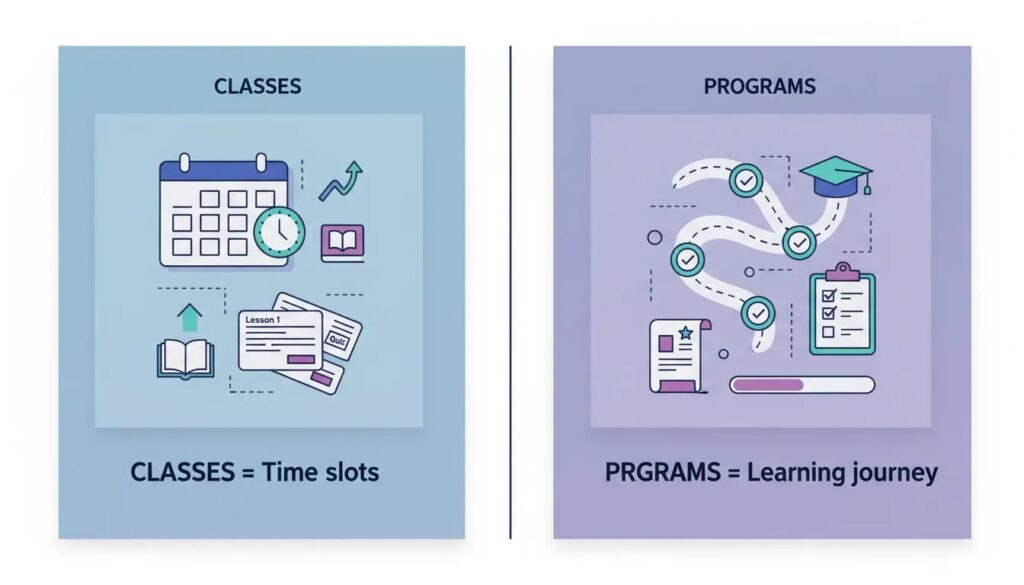
Selling classes means offering time slots. The value is tied mainly to:
- Lesson length
- Number of classes
- Package discounts
- Scheduling convenience
Selling programs means offering a defined learning journey. The value is tied to:
- A specific goal
- A clear skill focus
- A curriculum or roadmap
- Visible progress
- Resources beyond the live lesson
For example, compare these two offers:
- Class package: 15 one-on-one 25-minute English lessons
- Program offer: 12 lessons to complete Unit 1 of Abridge Academy curriculum
Both may contain a similar number of sessions, but the second offer is easier to understand, easier to sell, and easier for families to evaluate.
Why program-based offers usually work better
1. They show the outcome
Many students and parents are not just buying time with a teacher. They want progress. A program makes the destination clear.
Examples of clear outcomes include:
- Complete a curriculum unit
- Improve speaking fluency on a specific topic
- Build debate and argument skills
- Practice nonfiction writing
- Prepare for a test or exam format
2. They make progress visible
When you sell lesson bundles only by quantity, students may not feel momentum. A program naturally creates milestones, check-in points, and a sense of advancement.
3. They help you communicate value
It is hard to justify premium pricing when your offer is simply “more lessons at a discount.” It is easier to charge appropriately when the offer includes a specific goal, structured content, and added support.
4. They reduce price-only thinking
Packages based only on bulk discounts train buyers to compare you by price. Programs shift the conversation toward results, relevance, and fit.
5. They create natural upsells and variety
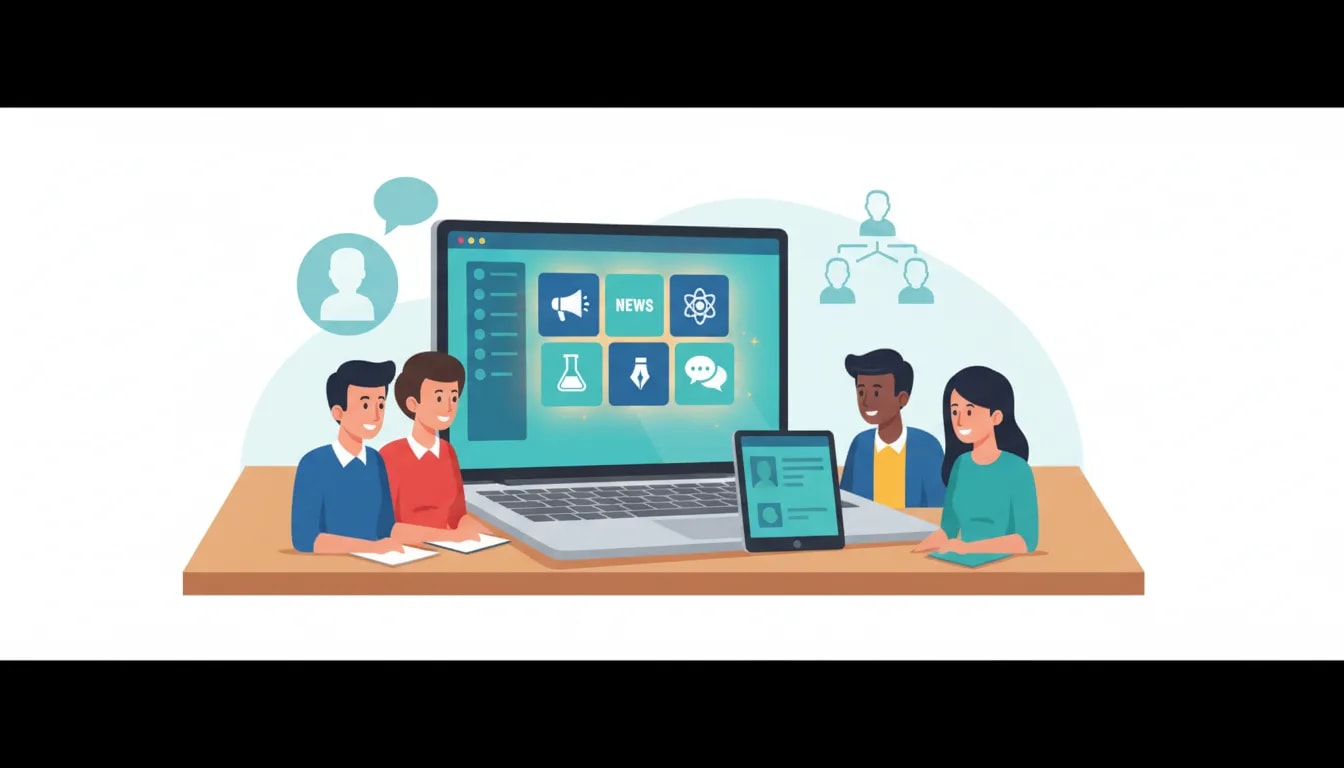
Once a student is enrolled in a core English course, you can also offer focused programs such as:
- Debating
- News discussion
- Science-based English lessons
- Writing programs
- Speaking clubs or group classes
Who should sell programs?
Program-based teaching can work at almost any stage, but the best setup depends on where you are in your teaching business.
If you are just starting out
Keep things simple at first. A basic class offer may be enough while you build confidence, gather students, and test your systems.
You do not need a huge catalog right away. Start with:
- One core offer
- One clear audience
- One focused result
For a newer teacher, a small program can be as simple as a short speaking series or a curriculum-based unit package.
If you already have students
This is often the easiest time to introduce programs. Existing students already trust you. You can build offers around what they need next, such as:
- Extra speaking practice
- Writing support
- Group discussion classes
- Topic-based enrichment
If you want to scale your business
Programs are especially useful if you want to grow without relying only on one-on-one weekly lessons. They can help you:
- Diversify your offers
- Add group classes
- Create more specialized learning paths
- Differentiate yourself from general ESL teachers
Classes vs programs: what is the real difference?
| Class-Based Offer | Program-Based Offer |
|---|---|
| Focused on lesson count | Focused on learning outcome |
| Often sold with discounts | Often sold on value and relevance |
| Can feel generic | Feels structured and purposeful |
| Progress must be explained separately | Progress is built into the offer |
| Best for simple onboarding | Best for positioning and growth |
What makes a strong learning program?
A useful way to design a program is to make it SMART:
- Specific: The focus is clear
- Measurable: Progress can be checked
- Achievable: The goal fits the learner level
- Relevant: The content matches the student’s needs
- Time-bound: The program has a defined length or review point
Specific
A strong program is not “English lessons for kids.” It is something more concrete, such as:
- Beginner grammar program
- Intermediate debate speaking series
- Nonfiction writing course for upper-level learners
- Unit-based curriculum completion package
Measurable
Students should be able to see their progress. This can include:
- Quizzes
- Games
- Writing tasks
- Discussion performance
- Completion of a unit or project
Achievable and relevant
The goal should fit the learner’s age, level, and purpose. A great-looking program will not convert if it is too advanced, too broad, or not useful to the student’s real needs.
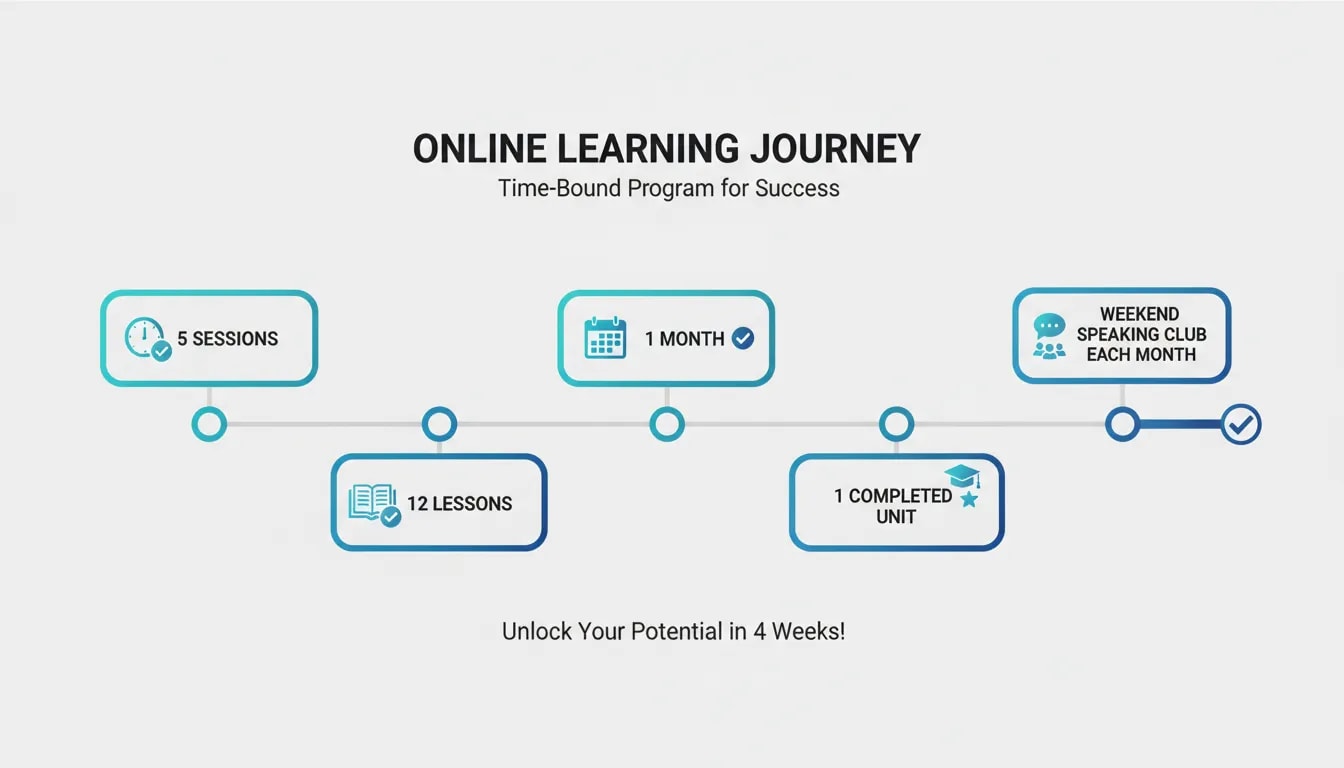
Time-bound
Programs should not feel endless. Give them a timeline such as:
- 5 sessions
- 12 lessons
- 1 month
- 1 completed unit
- Weekend speaking club each month
How to turn your current class offer into a program offer
You do not need to rebuild your business from scratch. In most cases, you can repackage what you already teach.
Step 1: Start with what students already ask for
Look at your current students and identify patterns:
- Do they need more speaking practice?
- Do they struggle with writing?
- Would they benefit from topic-based discussion?
- Are they moving through a curriculum and needing enrichment?
Step 2: Define a clear result
Instead of selling “extra classes,” define the result:
- Build confidence in debate speaking
- Complete a curriculum unit
- Practice academic discussion skills
- Develop nonfiction writing basics
Step 3: Give it a name
Names help learners understand what they are buying. Simple names work best. Examples include:
- Debating One-to-One
- World Traveler Speaking Program
- Space Explorers English Course
- Level 1 Unit 1 English Program
Step 4: Set the duration
Choose a fixed format that makes sense:
- 5-session intensive
- 12-lesson unit course
- Monthly subscription with live classes
- Short-term writing program
Step 5: Add supporting materials
The more your offer includes beyond live teaching, the more it feels like a real program. This can include:
- Lesson previews
- Worksheets
- Games
- Resource banks
- Practice activities
Step 6: Explain who it is for
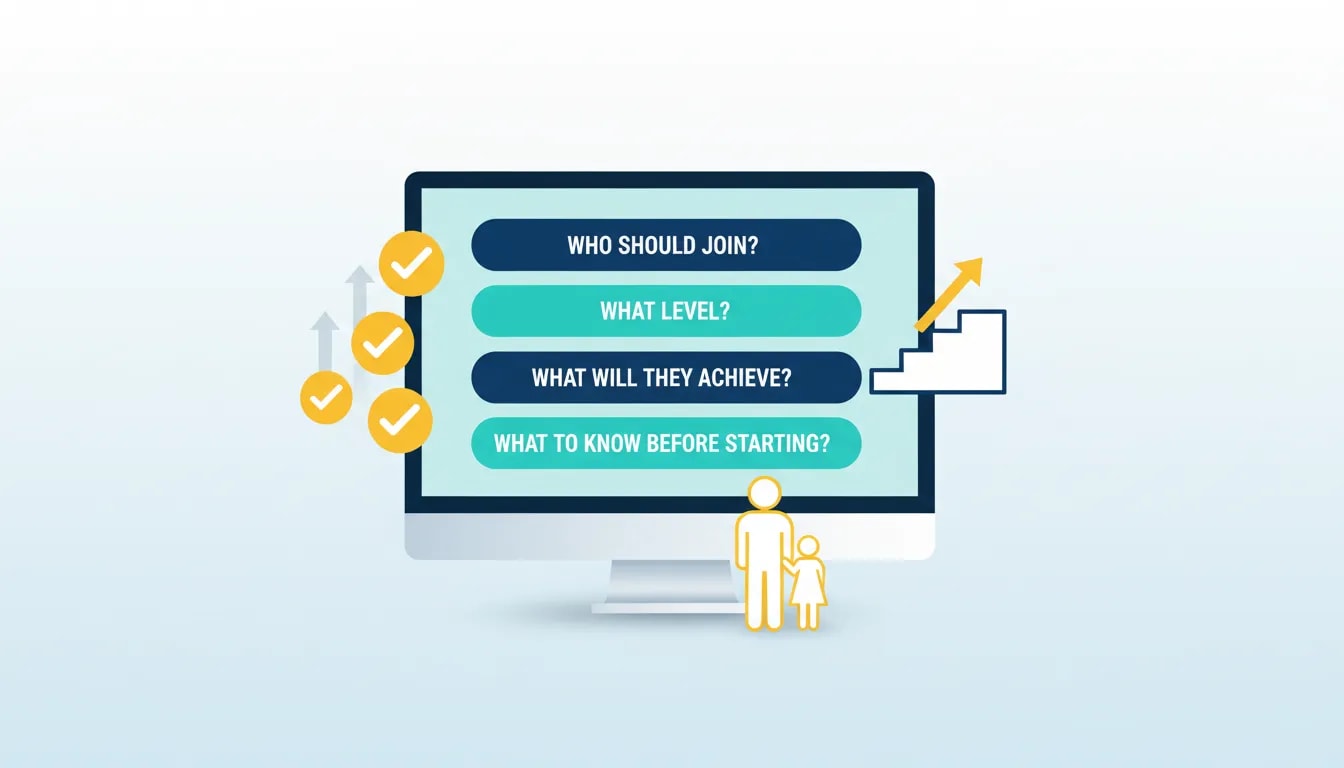
Every program should answer:
- Who should join?
- What level is it for?
- What will the student achieve?
- What should they know before starting?
Program ideas online teachers can offer
You do not need an unusual niche to create better offers. Many excellent programs come from common student needs.
1. Curriculum unit programs
If you use a structured curriculum, sell by unit or level instead of only by lesson count. This gives parents a clearer picture of what their child will complete.
2. Debate and discussion programs
Debating can work well for intermediate to advanced learners. It is useful for:
- Speaking fluency
- Critical thinking
- Academic English
- Confidence in expressing opinions
It can be taught one-to-one or in small groups.
3. Science-themed English programs
Science-focused lessons can appeal strongly to students with clear interests. Topic-based programs often feel more engaging than general ESL because the content itself motivates the learner.
4. Writing programs
Writing is an easy area to package into a short course because the outcome is clear. A student can complete several writing tasks and see real progress.
5. News-based speaking programs
Topic-based current affairs and news-style lessons can be positioned as speaking and discussion courses. These often work especially well with older children, teens, and more advanced learners.
6. Test prep or exam technique programs
If you prepare students for specific assessments, a fixed-duration program is often stronger than an open-ended lesson package because the goal is already defined.
Can you still sell regular classes?
Yes. A program-based model does not mean you must stop offering standard lessons.
In many cases, the strongest setup is:
- Core ongoing classes for general progress
- Focused programs for skill development, enrichment, or special goals
This combination works well because regular classes provide stability, while programs add variety and allow for higher-value offers.
How programs can help with pricing
One common problem with class packages is that teachers start with a single lesson price, then quickly reduce it through bigger and bigger discounts.
That approach can make your offer feel like a commodity.
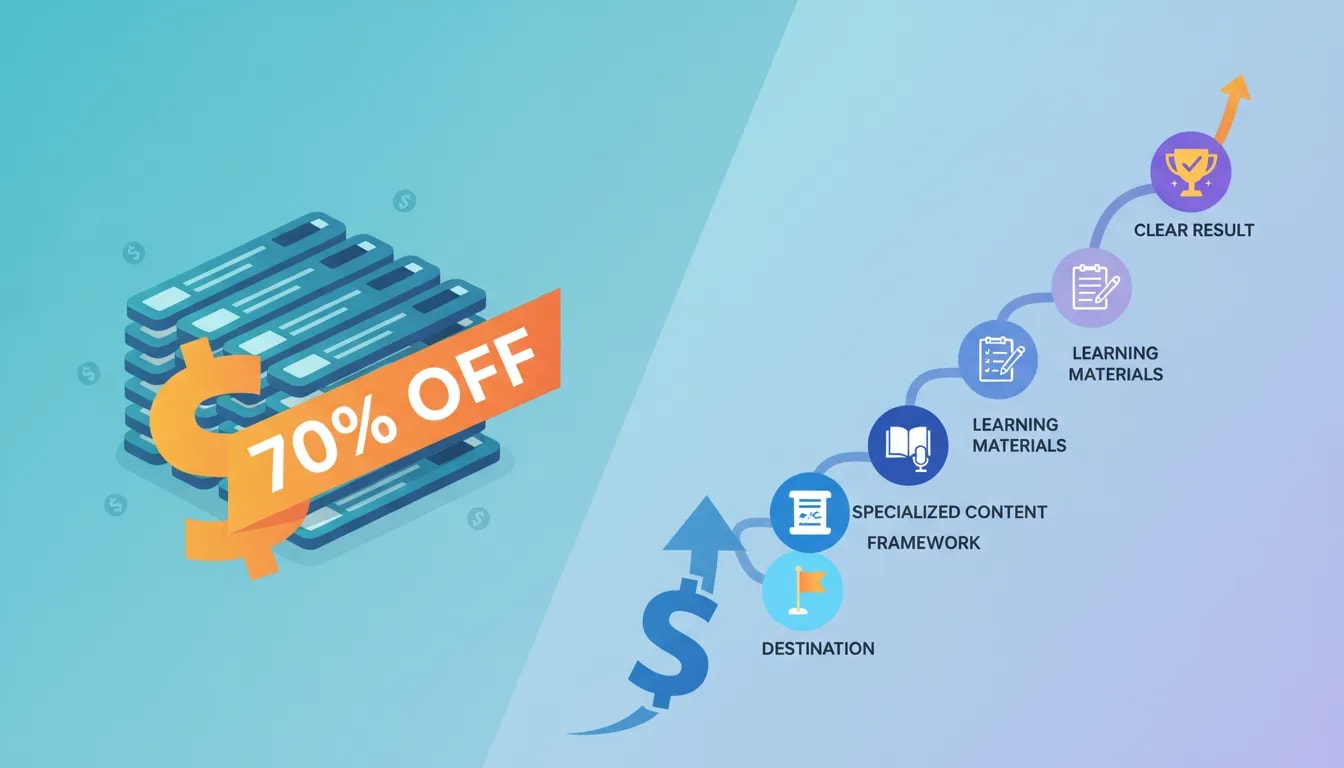
Programs give you a better pricing conversation because you are not only selling minutes. You are selling:
- A destination
- A framework
- Specialized content
- Learning materials
- A clear result
That does not mean every program must be expensive. It means your pricing can be based on value, not just volume.
When simple class packages still make sense
Selling packages by class count is not wrong. It can be the right choice in some situations, especially when:
- You are transitioning from a platform and need to onboard students to SuperTeacher quickly
- You already have a steady client base
- Your students already know exactly what they want
- You need a low-friction first offer
In those cases, a simple package may be the easiest way to start. The key is to recognize that it is often a starting point, not the only model available.
Common mistakes when trying to sell programs
Offering too many choices
Too many pricing options or too many similar offers can confuse buyers. Keep your menu focused.
Making the title clear but not the outcome
A good program name helps, but the result must also be obvious. Explain what the student will achieve.
Using only discounts as the selling point
If the main message is “buy more, save more,” you are still selling packages, not programs.
Creating programs that are too broad
“Improve English” is too general. Narrow the promise.
Ignoring student level and fit
A program should match the learner’s current ability. This is especially important with discussion, debate, and writing-focused offers.
Forgetting progress markers
Without check-ins, even a good program can feel vague. Build in milestones.
How to know which program to create first
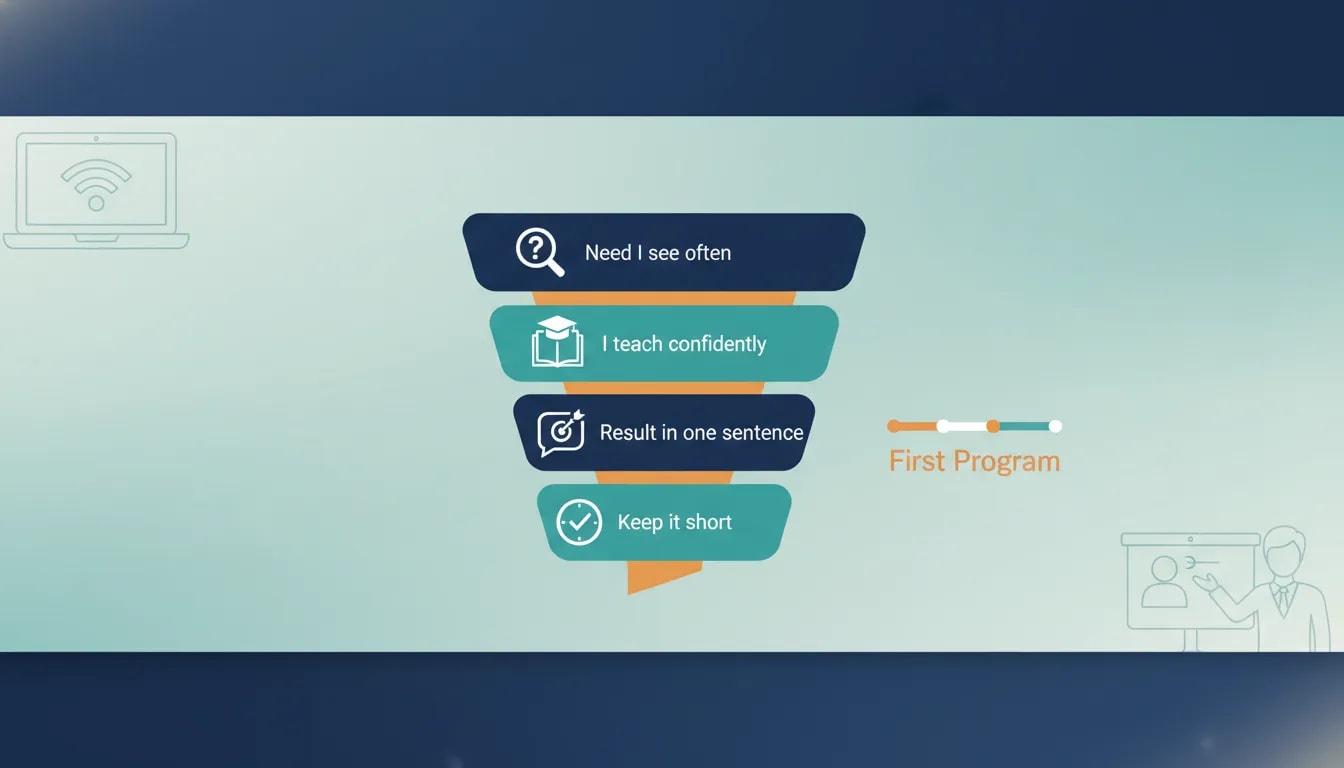
If you are unsure where to start, use this simple filter:
- Choose a need you already see often.
- Choose content you can teach confidently.
- Choose a result you can explain in one sentence.
- Keep the first version short and specific.
A first program does not need to be large. A short, focused offer is often easier to sell and easier to improve later.
Frequently asked questions
Do I need a niche to sell programs?
You do not need a highly specialized background to create a focused program. Often, the niche comes from the topic, the learner goal, or the curriculum path you choose.
Can programs work for one-to-one classes?
Yes. Programs are not only for groups. One-to-one lessons can be packaged around a skill, a unit, a project, or a short-term goal.
Are group classes better for programs?
Not always, but some programs naturally suit groups well, especially discussion-based or debate-based classes. Other programs work very well one-to-one.
Should I stop offering class packages completely?
No. Many teachers benefit from offering both standard lessons and focused programs.
What if I do not have many students yet?
Start small. One simple program can make your offer more attractive and easier to explain, even if you are still building your student base.
Final takeaway
If your current offer is mostly “25-minute lessons with discounts,” you are probably making your pricing do too much work.
A stronger offer gives students a reason to choose you beyond cost. Selling learning programs helps you define that reason. It makes your classes easier to understand, easier to market, and easier to value.
You do not need a complex business model to begin. Start with one skill, one audience, one clear result, and one realistic timeframe. Even a small shift from selling time to selling transformation can improve your class offerings dramatically.
Sign up with SuperTeacher |
Register for free, pick the right plan later |
| Sign up |
Leave a Reply