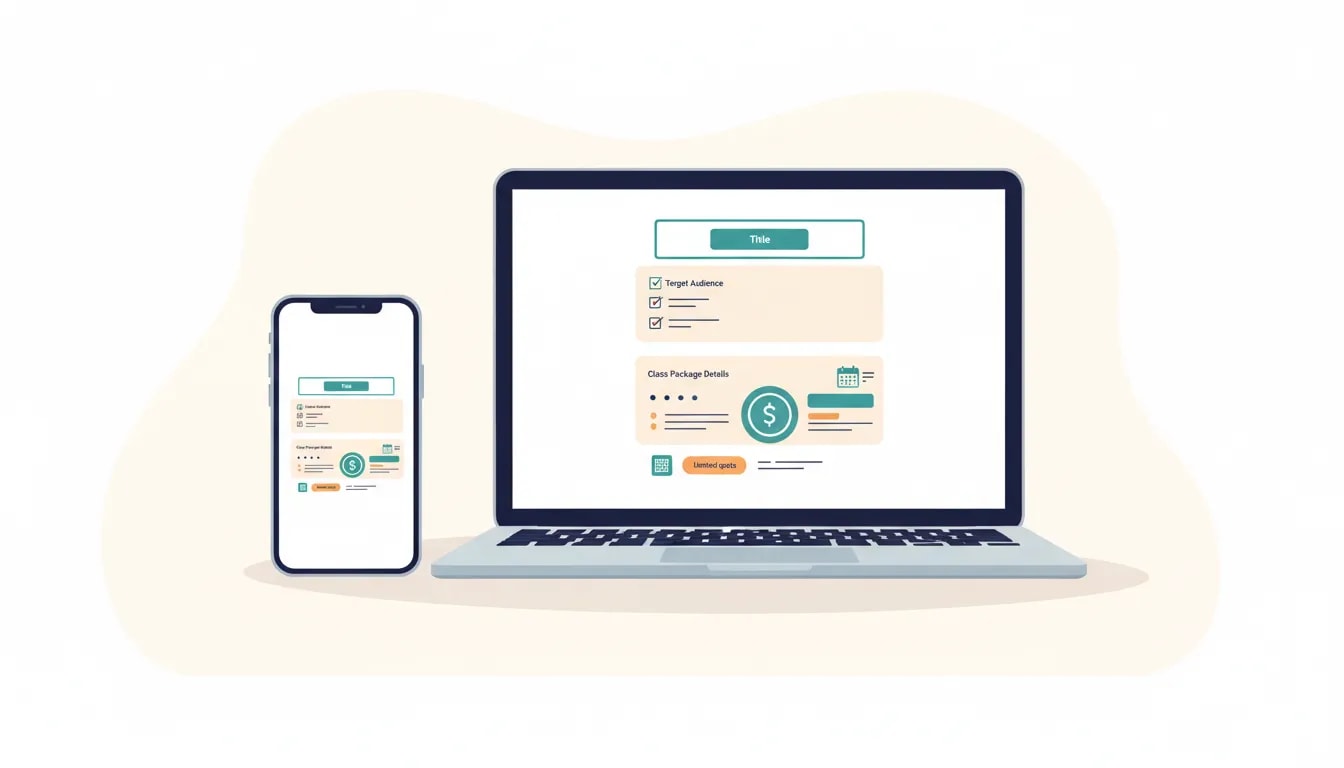
A strong class offer is one of the most important parts of building an independent teaching business. If parents or students do not quickly understand who your classes are for, what problem they solve, and why they should choose you, even great teaching may be hard to sell.
The good news is that a sellable offer does not need to be complicated. It needs to be clear, specific, and easy to act on. For private tutors, online teachers, and independent educators, that usually means packaging lessons in a way that feels useful and easy to buy.
This guide explains how to create a class offer that attracts students, how to promote it, and which mistakes often prevent good teachers from getting results.
What Is a Class Offer?
A class offer is the specific way you present your teaching service for sale.
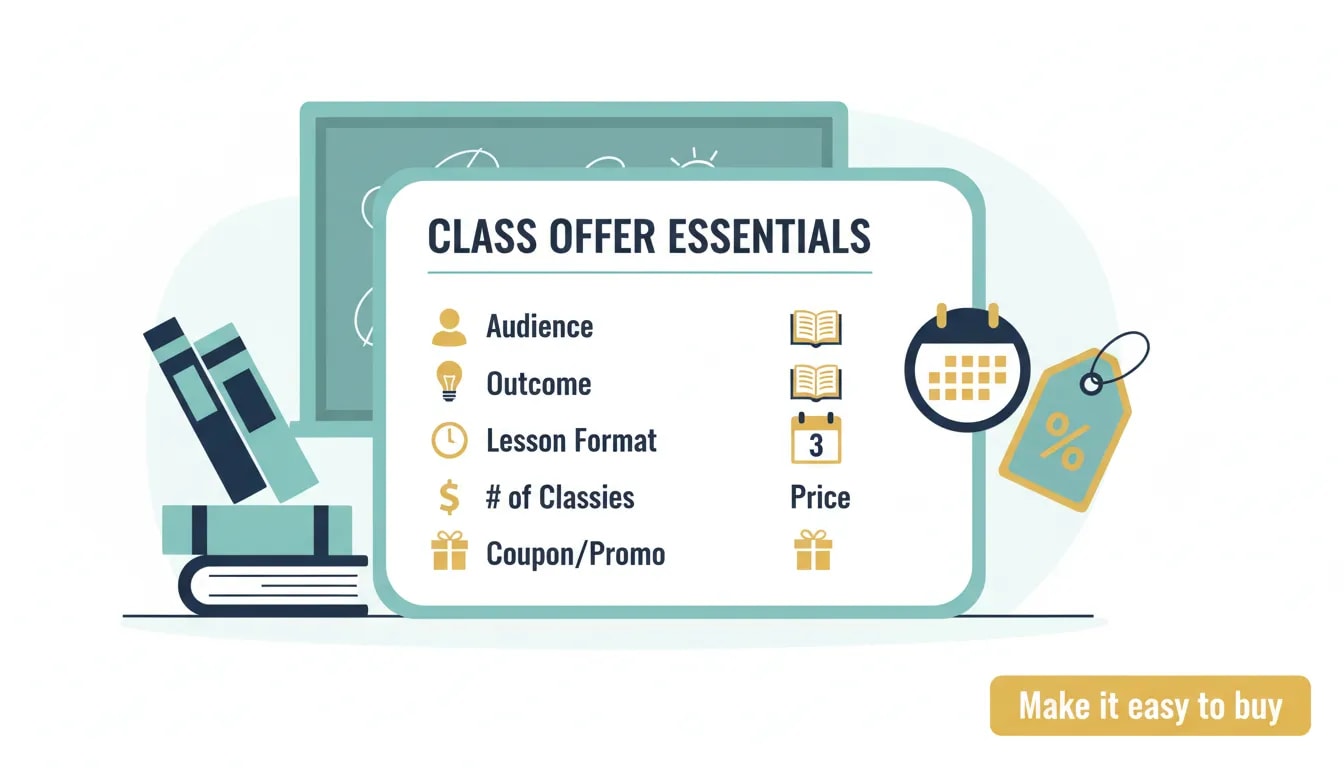
It is more than saying, “I teach English” or “I tutor reading.” A real offer includes the essentials a buyer needs to make a decision, such as:
- Who the class is for
- What skill or result it focuses on
- How lessons are delivered, such as one-on-one, group class, mini course, or course package
- Lesson length
- Number of classes
- Price
- Any special promotion or coupon
Without a defined offer, marketing becomes vague. With a defined offer, it becomes much easier to create flyers, referral programs, social posts, and enrollment pages that actually convert.
Why a Clear Offer Matters for Independent Teachers
Many teachers assume that being skilled is enough. It is not. Before anyone can appreciate your teaching, they have to discover you and understand what you are offering.
A clear class offer helps with three big problems:
- Visibility. People can only choose you if they know what you do.
- Confidence. A specific offer feels more professional than a general tutoring promise.
- Decision-making. Parents and students are more likely to buy when the next step is obvious.
This is especially important for teachers leaving tutoring platforms and going independent. On a platform, the system may send students to you. Independently, you need to make your teaching easy to understand and easy to buy.
What Makes a Class Offer Sell?
The best class offers usually have five qualities.
1. Specific audience
Vague offers are hard to market. Compare these two examples:
- Too broad: English lessons for all ages and levels
- Clearer: Reading support for bilingual elementary students learning English
Specificity helps people self-identify. A parent should be able to think, “This is for my child.”
2. Clear outcome
Your offer should suggest what the learner will gain. That does not mean making unrealistic promises. It means focusing on the purpose of the class.
Examples:
- Build reading confidence in English
- Practice intermediate speaking fluency
- Prepare for the speaking section of IELTS
- Strengthen writing skills for test prep
3. Simple packaging
Students and parents often respond better to something packaged than to open-ended hourly teaching.
Examples of simple packaging:
- 10 one-on-one reading classes
- 15-class curriculum unit package
- Mini course focused only on listening practice
- Group class with limited seats
Packaging helps buyers feel they are purchasing a defined experience, not just time.
4. Easy progress tracking
Offers often feel stronger when progress is easy to understand. For example, curriculum-based packages can work well because families can see what unit, topic, or skill the student is completing.
That makes the purchase feel concrete and makes the next purchase easier too.
5. A reason to act now
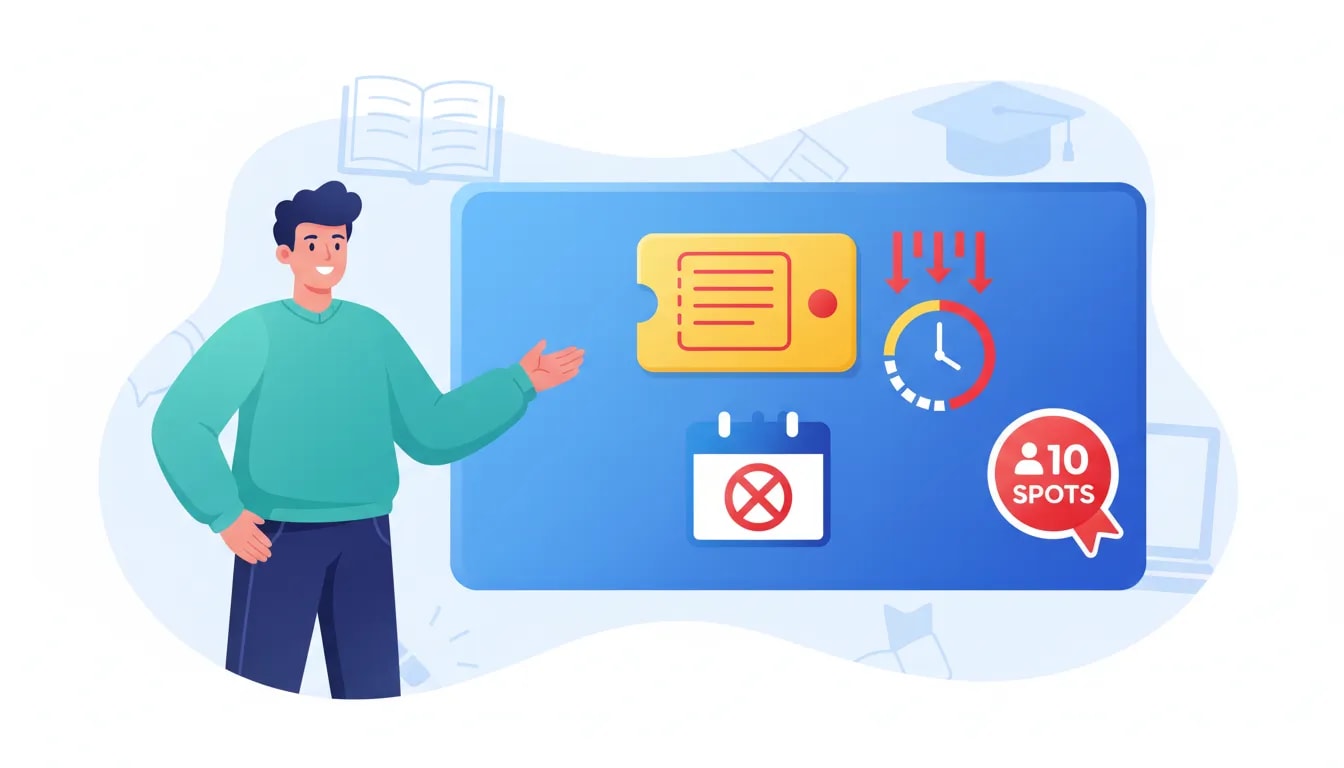
A coupon, deadline, or limited number of spots can make your offer more compelling. Many teachers market passively and wait for referrals to happen. A stronger offer creates urgency.
How to Define Your Teaching Offer
If you are still in the early stages, use this framework.
Step 1: Choose one audience
Do not start by trying to market to everyone you can teach. Start with one group.
Examples:
- Young learners ages 6 to 9
- Intermediate teens building fluency
- Bilingual students learning to read in English
- Adults preparing for speaking tests
Step 2: Choose one need
What problem are you helping solve?
- Reading support
- Speaking confidence
- Test preparation
- Writing practice
- Personalized learning outside rigid curriculum
Step 3: Choose one format
Your offer can be:
- One-on-one live classes
- Group classes
- A class package
- A mini course
- A self-paced course, if you already have enough material to organize that way
For many teachers, the easiest starting point is one-on-one live teaching packaged into a bundle.
Step 4: Add the practical details
Include:
- Lesson duration
- Number of classes
- Price
- How long the package is valid
Step 5: Give it a simple, useful name
A good offer name is clear and audience-focused.
Examples:
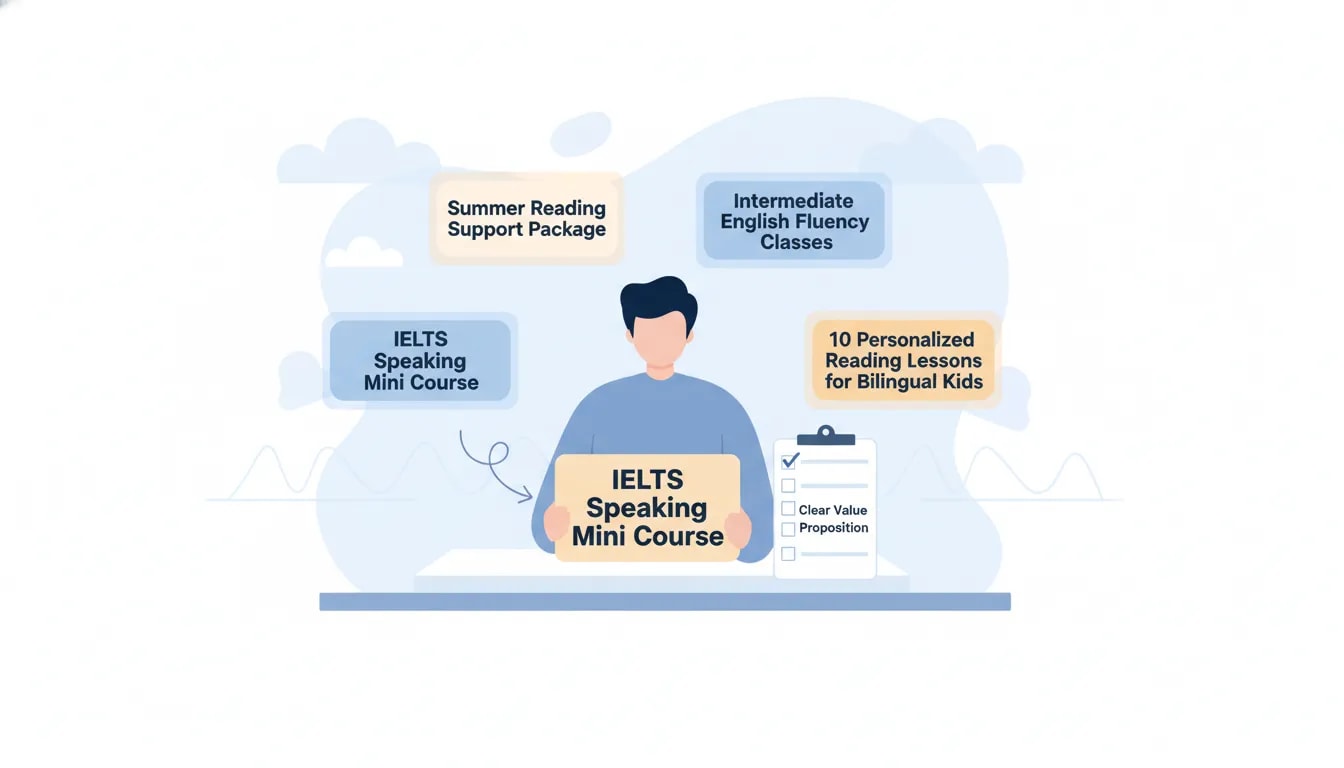
- Summer Reading Support Package
- Intermediate English Fluency Classes
- IELTS Speaking Mini Course
- 10 Personalized Reading Lessons for Bilingual Kids
Examples of Class Offers That Are Easier to Sell
Here are several offer styles that independent teachers can use.
Curriculum-based package
This works well when parents want visible progress.
- 15 classes covering one curriculum unit
- Clear beginning and end point
- Easy to continue into the next unit
Skill-specific package
This works well for reading, writing, speaking, and listening.
- 10 reading support sessions
- 8 writing classes for intermediate learners
- Speaking fluency practice package
Test-prep mini course
This works well when the overall subject is broad and needs to be broken into smaller parts.
- IELTS reading mini course
- TOEFL listening practice sessions
- Speaking-focused exam prep package
Breaking a large test-prep service into sections can make the offer easier to understand and easier to buy.
Seasonal or limited-time offer
This works well for promotions.
- Summer reading special
- Holiday enrollment discount
- Back-to-school support package
Seasonal offers are useful because they naturally create urgency.
How to Price and Package Lessons More Effectively
Many independent teachers list a single lesson price and stop there. A stronger approach is to create packages with built-in value.
Use volume discounts carefully
One practical strategy is to keep your standard lesson rate visible, then offer better value in larger packages.
For example:
- Single class at full price
- Mid-size package with a small discount
- Larger package with a bigger discount
This can encourage families to commit for longer without reducing the perceived value of your teaching.
Make the package feel meaningful
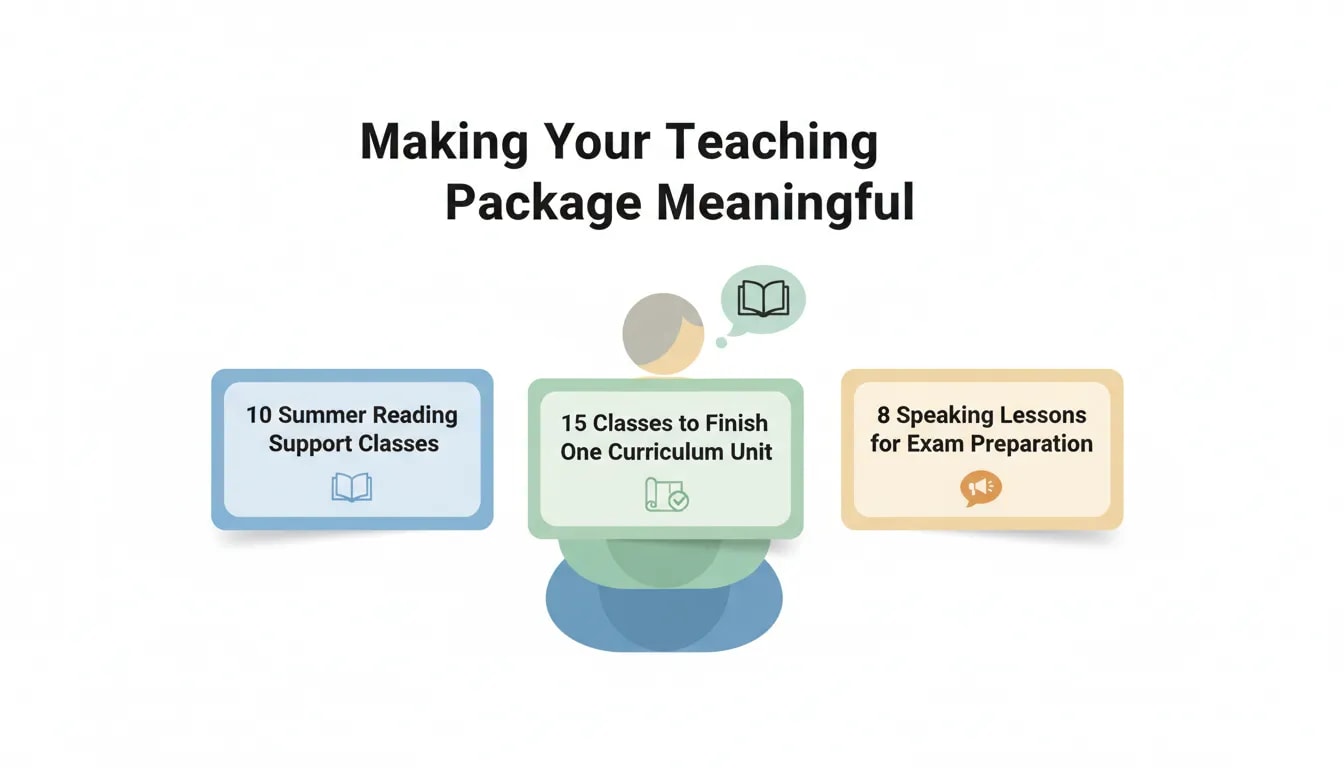
Instead of selling “10 lessons,” consider presenting what the package helps achieve:
- 10 summer reading support classes
- 15 classes to finish one curriculum unit
- 8 speaking lessons for exam preparation
That small shift can make the offer feel more purposeful.
Why Coupons Can Help Your Offer Convert
Coupons can be useful for both attracting new students and encouraging existing students to purchase again.
Used well, a coupon does three things:
- Creates urgency
- Makes the offer feel special
- Gives you a reason to promote the class now
When to use a coupon
- Launching a new class package
- Running a holiday or seasonal promotion
- Offering a referral incentive
- Encouraging a student to move into a larger package
- Filling a limited number of group class seats
Percentage discount or fixed amount?
Either can work.
- Percentage discounts are often easy to understand for larger packages.
- Fixed amount discounts can feel more concrete in some cases.
What makes a coupon effective
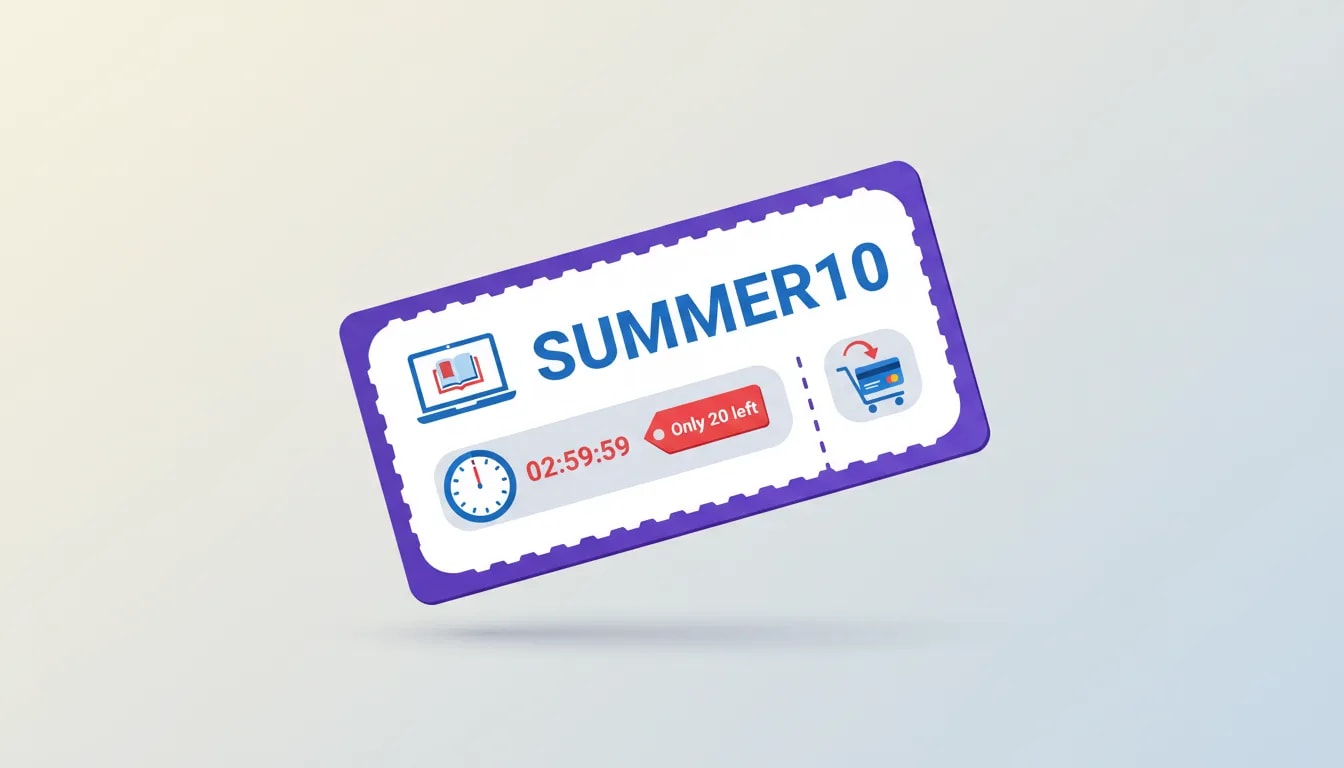
- A clear code
- A deadline
- A limit on how many people can use it
- A connection to a specific offer
For example, a limited-time code tied to a seasonal promotion usually feels stronger than a generic discount with no end date.
How to Name a Coupon So It Feels More Personal
The internal coupon name is mostly for your own reference, but the visible code matters for the customer experience.
Useful coupon code ideas:
- SUMMERREADING
- EASTER20
- BACKTOSCHOOL10
- THANKYOU20
Keep the code easy to type. Avoid long phrases or anything confusing.
It can also help to use one code per campaign, or even one code per referral source, so you can track what is working.
How to Promote Your Class Offer
Once the offer exists, marketing becomes much easier. The best promotion methods mentioned across independent teaching practice tend to be practical and direct.
1. Referrals and word of mouth
Existing families can be one of your best marketing channels. But passive referral marketing is often weak.
Instead of casually hoping students share your name, give them something specific to share:
- A flyer
- A QR code
- A coupon code
- A limited-time class offer
This gives referrals structure and urgency.
2. Social media content
Teachers often use platforms such as Instagram, Facebook, Threads, and Facebook groups to share content and promote their services.
If you use social media, do not only post “I have lessons available.” Tie content to your offer:
- Who the classes are for
- What result they help with
- What makes your teaching approach more personalized
- How to sign up
3. Local community flyers
Printed flyers can work well in local businesses, coffee shops, post offices, and grocery stores, especially if you teach in person or serve a specific local population.
This can be especially effective in small towns or communities with a strong shared language or cultural background.
4. Networking
Virtual and in-person networking can support independent teaching growth, especially when combined with a defined offer rather than a broad tutoring description.
What to Include on a Teaching Flyer
If you create a flyer for your class offer, keep it simple.
A good flyer usually includes:
- A clear title
- A short description
- Who the class is for
- Main benefits or focus points
- Your photo
- Your relevant qualifications
- The coupon code
- A QR code or sign-up link
- Basic contact information
The goal is not to include everything. The goal is to make the next step obvious.
Example flyer outline
- Title: Summer Reading Support
- Description: Personalized one-on-one reading classes for bilingual elementary students
- Bullet points: Reading confidence, vocabulary support, flexible pacing
- Offer: 10 private classes
- Coupon: SUMMER10 valid through a set date
- Action step: Scan to book
Should Your Offer Link to Your Full Profile or a Specific Product?
This depends on how your teaching business is organized.
- If your main profile is simple and your promoted package is easy to spot, linking to your full page can work.
- If you are promoting a group class, mini course, or one specific package, a direct product link can be cleaner.
Whichever option you choose, make sure the student lands somewhere that clearly matches the flyer or promotion they just saw.
How to Use Feedback to Improve Your Offer
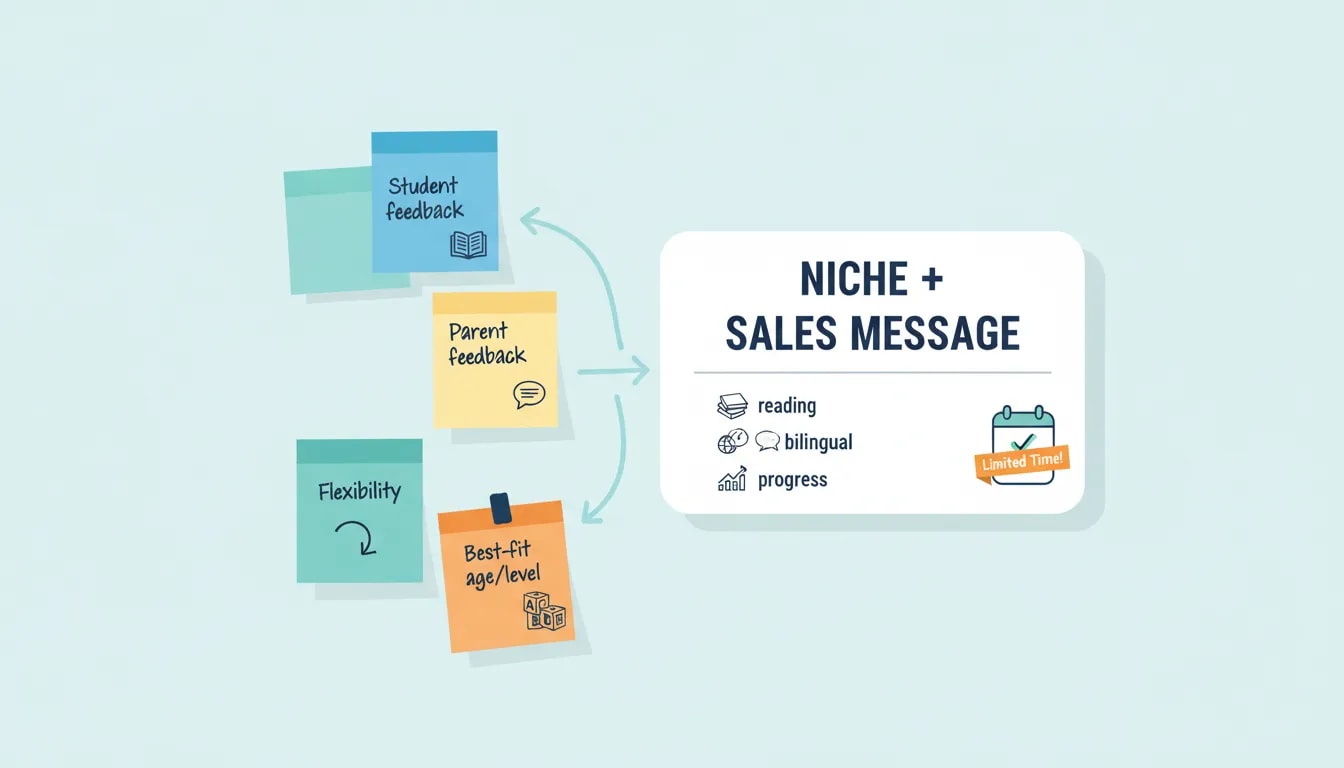
Student and parent feedback can help shape a better niche and a better sales message.
Pay attention to comments like:
- What students say helped them most
- What parents say they needed but could not find elsewhere
- What kind of flexibility they value
- What level, age group, or learning situation responds best to your teaching
This is often where a niche becomes clear. For example, if bilingual learners keep responding well to your approach, that may become a stronger future offer than a general English class.
Common Mistakes That Make a Class Offer Hard to Sell
Trying to market to everyone
A very broad offer is harder to explain and harder to promote.
Focusing only on yourself
“Experienced teacher” is not enough. The offer should explain what the student gets.
Offering no urgency
If there is no deadline, no seat limit, and no special reason to enroll now, people often delay.
Making the offer too generic
Parents and students often want something personalized. A rigid or one-size-fits-all impression can weaken your message.
Using a confusing coupon code
Short, simple codes are easier to use and share.
Sharing a flyer without a clear action step
Always include a link, QR code, or direct sign-up instruction.
Questions Independent Teachers Often Ask
Do I need a course to have a sellable offer?
No. A one-on-one class package can be a strong offer. Many teachers start there and turn proven lesson material into courses later.
Should I offer a discount right away?
Not always. Discounts can help with promotions, but the core offer still needs to be clear and useful. A weak offer does not become strong just because it is cheaper.
Can I use seasonal promotions if I already have regular students?
Yes. Seasonal promotions can work well for upselling larger packages or offering a special enrollment period.
How many offers should I start with?
Usually one clear offer is enough to start. Once it works, you can expand.
What if I teach different age groups and levels?
That is common. For marketing, choose one group first. It is easier to attract students with one focused message than several mixed ones.
A Simple Formula You Can Use Today
If you need a fast starting point, use this template:
I help [specific type of student] improve [specific skill] through [format] so they can [practical result].
Examples:
- I help bilingual elementary students improve reading in English through one-on-one classes.
- I help intermediate English learners build speaking fluency through personalized private lessons.
- I help test-prep students strengthen IELTS speaking through focused mini courses.
Then package that into a clear offer with a price, duration, and optional coupon.

Final Takeaway
A class offer that sells is not about sounding impressive. It is about being easy to understand and easy to buy.
Start with one audience, one problem, and one clear format. Package it in a simple way. Add a deadline or coupon if needed. Then promote it where your students already are, whether that is referrals, social media, or your local community.
For independent teaching, clarity often matters more than complexity. A focused offer almost always beats a vague one.
Sign up with SuperTeacher
Register for free, pick the right plan later
Leave a Reply