
Summer does not have to mean empty calendars, inconsistent income, or more one to one hours squeezed into a busy season. For independent educators, it can be one of the easiest times to launch simple group offers that fit travel, schedule changes, and lighter student routines.
The best summer group classes are easy to set up, useful to students right now, and structured in a way that makes signing up feel simple. If you want to earn more without adding more private sessions, these three ideas are a practical place to start.
Why summer is a smart time to offer group classes
Many educators assume summer is automatically a slow season. In reality, summer often creates a different kind of demand.
Students have changing schedules, which makes short flexible programs appealing.
Parents and learners look for productive activities during school breaks.
Private lesson demand may become less predictable, so a group format helps stabilize income.
Short-term offers feel easier to commit to than a long ongoing program.
Group classes also help you shift from trading time for money in a strict one to one model into something more scalable. Instead of repeating the same material across multiple private sessions, you can teach several learners at once in a format that is easier to manage and often more profitable.
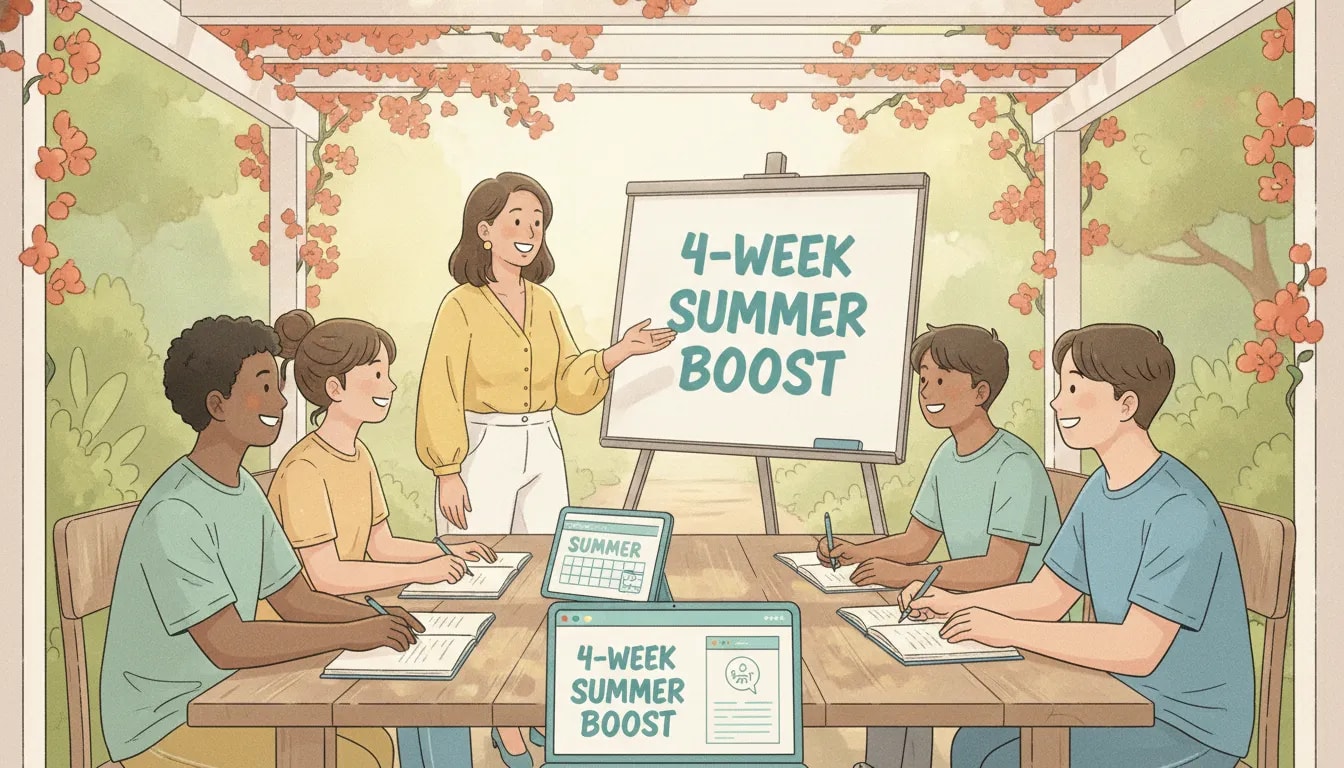
What makes a summer group class easy to sell
Before choosing a topic, it helps to know why some group offers fill quickly while others do not. Strong summer classes usually share a few traits:
They solve a clear short-term problem.
They have a clear start and end date.
They feel manageable for busy families and adult learners.
They do not require a huge commitment.
They promise a specific outcome, not just general practice.
If you are setting up your first offer, keep the structure simple. A short group program with a clear theme is usually easier to fill than an open-ended class with a vague description.
Top 3 summer group class ideas
1. Summer skill booster sessions
A summer skill booster is a short group class focused on one specific improvement area. This works especially well if you teach languages, academic subjects, creative skills, or test preparation.
Examples include:
Reading fluency practice
Conversation confidence sessions
Writing improvement workshops
Math review and problem-solving practice
Grammar refresh classes
The key is to keep the promise narrow. “Improve essay writing in 4 sessions” is easier to understand than “summer writing class.”
Why it works in summer: students and parents often want to prevent learning loss or strengthen a weak area before the next term, but they may not want a long weekly commitment.
Simple structure:
Run it over 2 to 4 weeks
Meet 1 or 2 times per week
Focus each session on one sub-skill
Cap the group size at a number you can manage comfortably
How to position it: lead with the outcome. Tell learners exactly what they will get better at by the end.
2. Short summer clubs or themed mini programs
A summer club is a themed group experience that feels lighter and more fun than a formal course. This can be ideal if students are less interested in intensive study during the break but still want something engaging and social.
Possible themes depend on your subject area, but the format works well for:
Speaking clubs
Book or reading circles
Creative writing groups
Project-based learning sessions
Subject-specific challenge clubs
Why it works in summer: the atmosphere feels flexible and seasonal, which lowers the barrier to joining. Students often say yes more easily to a club or mini program than to something that sounds heavy or academic.
Simple structure:
Choose one theme for the full program
Run it for 3 to 6 sessions
Include a simple weekly activity or discussion prompt
End with a small project, presentation, or showcase if relevant
This format is also useful if you are traveling or adjusting your availability. Because the program is short and themed, you can schedule it around a temporary summer routine instead of building a long-term weekly commitment.
Sign up with SuperTeacher
Register for free, pick the right plan later
3. Bridge programs between school terms or levels
A bridge program helps learners transition from one stage to the next. It can prepare them for the next school year, help them review previous material, or build confidence before a new level.
This is especially practical for educators who already know the common gaps students face between terms or levels.
Examples include:
Back-to-school prep groups
Level-up language practice
Transition support for new academic expectations
Foundational review before more advanced study
Why it works in summer: the timing naturally matches what learners are already thinking about. Even when summer is relaxed, many students and families still want a smooth transition into what comes next.
Simple structure:
Define the starting level and destination clearly
List the 3 to 5 main skills covered
Keep the timeframe short and specific
Describe who the class is for so the right students join
Bridge programs often convert well because they have a clear purpose. Students understand why they need them and what they are preparing for.
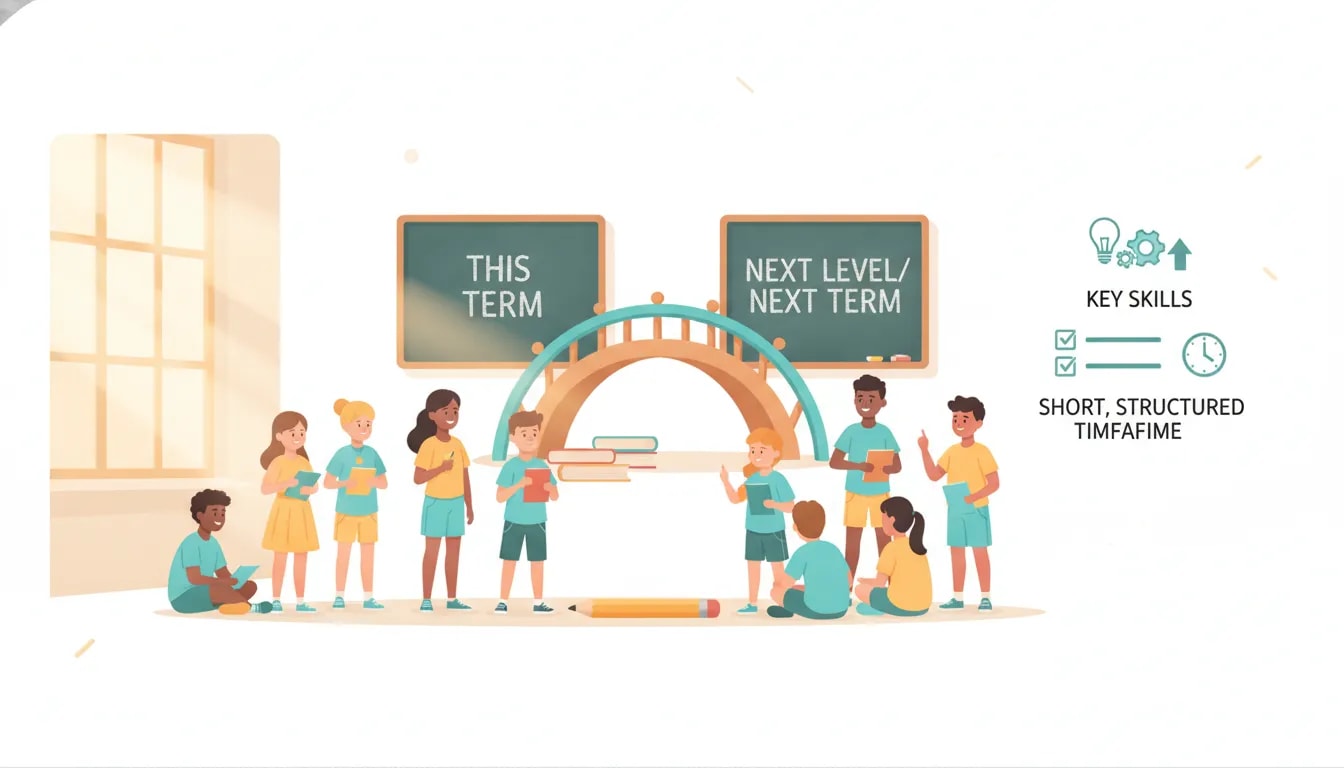
How to structure your summer group class so students actually sign up
A good class idea alone is not enough. The offer needs to be easy to understand. If people are confused about the outcome, schedule, or fit, they are less likely to enroll.
Use this simple structure when creating your class listing:
1. Name the class around the result
Choose a title that tells people what the class helps them do. Clear beats clever.
Better examples:
Summer Reading Fluency Booster
4-Week Conversation Confidence Club
Back-to-School Writing Prep Group
2. Keep the time commitment low
Summer buyers are often looking for manageable options. Short programs with a fixed number of sessions are usually easier to sell than open-ended classes.
3. Be specific about who it is for
Say who the class is designed for, such as level, age range, or skill stage if relevant. This helps the right learners say yes faster.
4. Highlight one clear outcome
Focus on the main benefit. Do not overload the class description with too many promises.
5. Make logistics easy
Simple booking and scheduling matter. If you want a smoother setup for group lessons, tools built for group classes can help you organize sessions, attendance, communication, and payments in one place.

How to launch quickly even if your summer schedule is busy
You do not need a complicated program to make summer work. A fast launch is often better than waiting until everything feels perfect.
Use this quick-start approach:
Pick one class idea only. Start with the easiest topic to teach in a group.
Set a short timeline. Plan a small program rather than a full term.
Reuse what you already teach. Turn repeated one to one lesson topics into a shared format.
Choose a simple weekly rhythm. Keep the same day and time when possible.
Open enrollment quickly. A class people can book now is more useful than a perfect class still in draft form.
If you are setting things up for the first time, a practical onboarding flow can save time. A page like Get Set in a Few Simple Steps – SuperTeacher shows how to connect scheduling, payouts, and class listings without building a complex system from scratch.
How group classes help you earn more without adding more one to one hours
One to one teaching can be valuable, but it is hard to scale when your calendar is full or your summer availability is limited. Group classes create leverage because one session serves multiple learners at once.
That means you can:
teach fewer repeated sessions
make better use of limited summer hours
keep income moving during schedule disruptions
offer a lower-cost entry point for new students
This does not mean replacing all private teaching. A better approach is often to use group classes as a complementary offer during summer, then decide later whether to expand them further.
Common mistakes to avoid
Making the class too broad
Broad offers are harder to market. A focused topic is usually easier to understand and easier to sell.
Creating a program that is too long
Summer buyers often prefer short commitments. If enrollment feels slow, shorten the program before changing everything else.
Copying a one to one format exactly
Group classes need a different structure. Build around shared activities, targeted outcomes, and clear pacing rather than trying to deliver private lessons to multiple people at once.
Waiting for the perfect setup
A simple offer launched now can perform better than a perfect idea launched too late in the season.
Not explaining the outcome clearly
If learners do not understand what changes by the end of the class, they may hesitate to sign up.
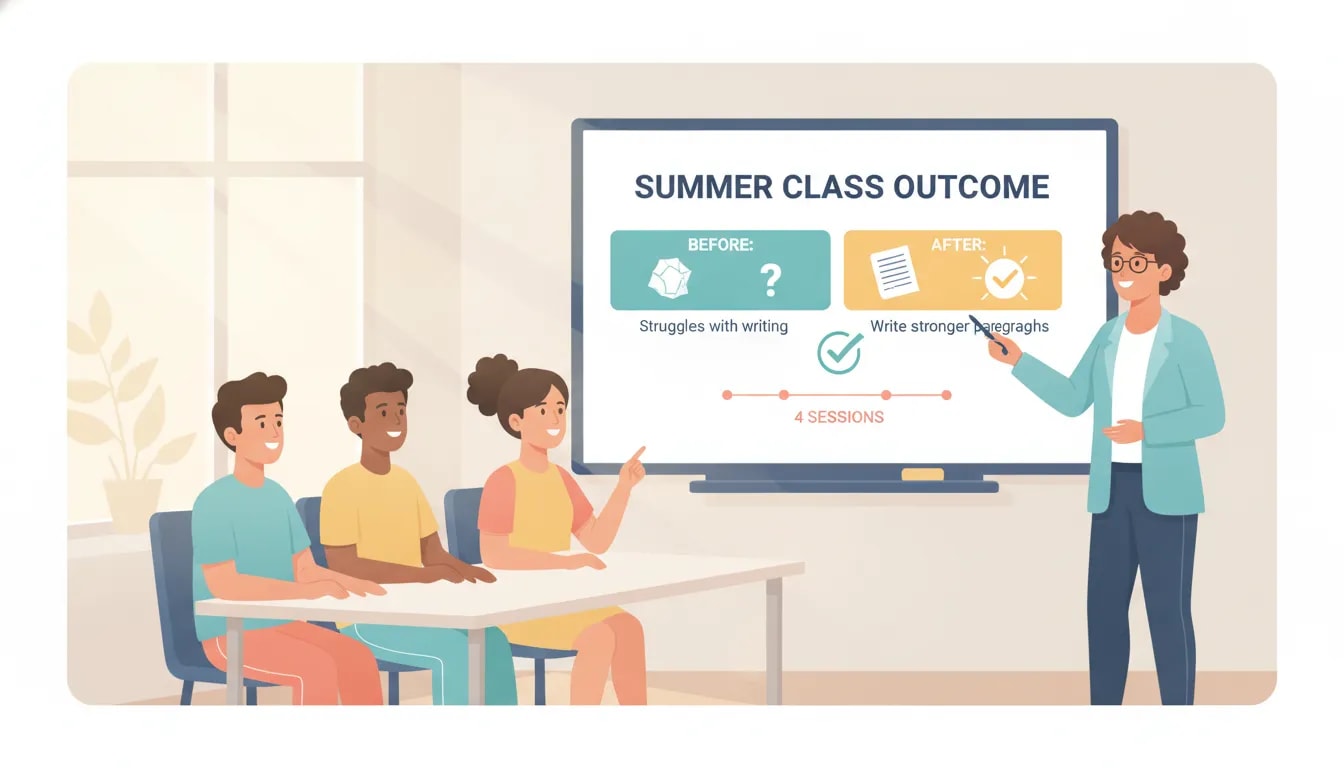
How to move from one to one teaching into scalable group formats
If you have only taught private lessons before, the easiest transition is to look for repeated patterns in your existing work.
Ask:
Which topics do students ask for again and again?
Which skills are commonly weak?
What short-term goal do multiple students share?
Those repeated needs are often your best group class opportunities.
For example, if many learners need speaking practice, writing review, or foundational skill support, that can become a summer group offer with a clear promise and a defined schedule. You are not inventing a new business model from scratch. You are packaging familiar teaching into a more scalable format.
To simplify admin, scheduling, and rescheduling, platforms designed for automated class booking, scheduling, tracking and rescheduling can reduce the manual work that often makes group teaching feel harder than it needs to be.
Quick checklist for launching a summer group class
Choose one focused topic
Set a short start and end date
Define who the class is for
State one clear outcome
Keep the schedule simple
Open booking as soon as possible
Use a group format instead of adding more private hours
Final takeaway
Summer can be a growth period instead of a slowdown if you offer the right kind of class. The most practical options are short, clear, easy to join, and built around real student demand.
Start with one of these three ideas:
summer skill booster sessions
themed summer clubs or mini programs
bridge programs between terms or levels
Each one can help you earn more, reduce dependence on one to one sessions, and make summer teaching easier to manage even with a changing schedule.
Leave a Reply